Looking to Sell or Let?
Begin your journey with a free property valuation.
Get the facts and figures to make informed decisions.

Property Valuation
"*" indicates required fields

Central London’s high house prices make finding a property in London a challenge.

After all, prime areas like Lancaster Gate, Marylebone or Pimlico are highly sought-after. Whether you are a first-time buyer, buying a new home or looking to invest in London property, you may need to closely consider location and property type to find a flat within your budget.
This guide includes some hints and tips to help you find a property that meets your needs at an affordable price.
London has an endless variety of new and old flats and apartments on offer, including modern property developments, converted houses, period apartment buildings and flats above shops.
Each property type has its advantages and disadvantages, and keeping a flexible attitude may mean that you can get hold of a great property at a reasonable price.
If you are looking at flats at the higher end of the London price range, Knightsbridge and Marble Arch have an abundance of luxury apartments, including new builds and gated developments.
These are the different types of flats you will find in London:
Knightsbridge has many Georgian and Victorian-style properties with classic architectural details and modern luxury developments. Properties in Knightsbridge and Marble Arch include some of the most expensive properties in the UK, and it is a popular area for celebrity buyers and property investors.
Some of the most sought-after homes in Central London feature the Queen Anne Revival style of architecture. These properties have an intricate appearance, often incorporating bay windows, wraparound porches, and an asymmetrical façade.
It is also common for these types of properties in London to be designed using terracotta elements, as seen in the Brompton Road terracotta façade.
Want to know more? Read up on second home mortgages and our stamp duty guide.
If you are buying a flat in London, it is likely to be a leasehold. A leasehold gives the purchaser the right to occupy the property for the period specified in the lease. Leases are usually long-term – often 90 or 120 years but can be as short as 40 or as high as 999.
You may also be able to buy a flat with a share of the freehold. This means that the leaseholders each own a share of the company that owns the freehold. Share of freehold gives the leaseholders more control over their home and gives them the power to extend their lease for up to 999 years.
Leases on central London leasehold properties, particularly historic properties, may include strict regulations about whether you can rent it out, and limitations on alterations. Your freeholder may require permission for structural work and window replacements, or prohibit ‘wet over dry’ (e.g. bathrooms over bedrooms). Because of the additional considerations, the time it takes to buy a leasehold flat can be longer than a freehold property.
The costs of extending a lease are high, so when buying a leasehold property, check how many years are left on the lease and how many will likely remain by the time you may want to sell. A short amount of time left on the lease could cause issues with the future sale of the property. The value of properties with short leases will rapidly reduce as the lease period decreases. A residential lease with less than 80 years left to run constitutes a short lease.
You must factor in costs such as the annual service charge and ground rent. The service charge covers the cost of maintaining the building, including building insurance, maintenance and repairs, provision of leisure facilities, concierge services or additional security.
Ground rent is typically a token fee paid to the freeholder in exchange for renting the land the property sits on.
Before you buy a property, find out what the annual service charges are. Apartments with more communal areas or leisure facilities such as gyms will have higher service charges.
Are you locked into a long property chain or a chain-free buyer? Many sellers consider a first-time buyer or cash buyer an advantage. Before making a mortgage application, an application in principle can give you a realistic idea of your budget for buying a home. Allow for extra costs too, a higher deposit for a buy-to-let mortgage, stamp duty surcharges for additional properties or if you’re an overseas buyer.
What constitutes a good location will vary from person to person, so when searching for your new home, list your top priorities, such as local amenities, schools, transport links and flat type.
Flats in sought-after areas with features such as outside space will fetch premium prices which may be out of your budget. However, we often recommend buying a home in the best location you can afford, even if this means compromising on the size of the flat. This protects you against a weakening property market risk because prime properties tend to hold their value better.
Want to find out more? Take a look at what a mews house is and what buyers and renters want.
If you don’t have an in-depth knowledge of the different areas of London, these overviews should help you to find the area that best suits your priorities:
The heart of London is the most vibrant place to live because it is packed with world-class culture, restaurants, bars, shops and more. Transport links in central London are excellent so you can get to most places quickly and easily. Knightsbridge, Belgravia and Marble Arch are amongst central London’s most sought-after and most expensive areas.
South London is the area that lies south of the River Thames. It is popular for its stunning riverside views and attracts a lot of young professionals and families. Areas such as Clapham, Wimbledon, Dulwich and Herne Hill are amongst some of the best places to live in South London, with the convenience of easy access to the city while being close to green space.
Boroughs such as Camden, Hackney and Islington have become highly sought-after. Homes in the area include modern apartments and Victorian and Edwardian properties. Numerous buildings have been converted from warehouses and factories into flats. With the bustling markets and independent restaurants and bars, North London is popular with young professionals.
There are plenty of desirable suburbs in West London with nearby green space, such as Richmond Park and the Royal Botanic Gardens, Kew. Notting Hill, Shepherd’s Bush, Hammersmith and Fulham are all within a short distance from Central London’s amenities, and there are many new developments in these areas.
East London has benefitted from the post-2012 London Olympics regeneration projects and Elizabeth Line. Properties in East London areas such as Stratford and Newham are more affordable than most other parts of London, attracting a younger demographic of buyers and residents.
Research the quality of local schools, and access to public transport. Most London homebuyers want easy access to public transport, so expect to pay a premium for flats within walking distance of a tube station in London. Rail services and regular bus services are also an advantage.
What local amenities are there? Look at shops, restaurants and other facilities, and consider how easily you can reach West End theatres and top shopping spots in London. Research local development plans for new facilities or residential developments, and get an idea of construction works or increased traffic levels to anticipate.
If you are new to the area, walk around the neighbourhood at different times of day to get a feel for it, and look out for anything potentially problematic. A quiet residential street in the daytime could be noisy with revellers in the evening, and visiting the area at night can give you a feel for its safety.
During the buying process, look out for potential legal issues, structural issues or fire resistant cladding issues before exchanging contracts. Investigate the management company’s reputation, and the developer’s for a new build property. Boundary issues or rights of way can cause complications, as can lack of adherence to planning permission or building regulations.
Appearances can be deceiving, whether it’s a smart new build or a well-presented older property. When viewing an apartment, try to be as (quietly) critical as possible, and look at the property objectively. The fixtures and furnishings might look good, but have they been installed well?
Demand is high for flats and apartments in London, which pushes prices up, but don’t let that put you off trying to negotiate on price. Research selling prices in the location and consider offering a lower price and negotiating from there.
To make sure that you are the first to know when a new property comes onto the market, register with a local estate agent. You can provide details of the type of property you are looking for, and they will notify you when a flat matching your preferences is going up for sale.
A search agent or property finder, sometimes called a buying agent, will use their contacts and knowledge of the London property market to find a property that matches your criteria.
By doing most of the search work, a buying agent will make finding a property less stressful and time-consuming. A search agent will not only help you find the right property and streamline the buying process, but they can also increase your chances of negotiating a favourable price.
How much a flat costs in Central London depends on the size of the property, building, location and any outdoor space. A studio flat in Kensington could cost anywhere from £400,000 to £800,00, for example. According to the ONS, the average house price in London was £556,000 in September 2025 – versus the Westminster average of £900,000, £802,000 for a flat, and £809,000 for the average first-time buyer purchase.
It’s essential to consider the extra costs involved in buying property when deciding your budget, such as buildings insurance and how much stamp duty you will be liable to pay.
Generally, mortgage lenders expect buyers to have a 10% deposit of the sale price. The ONS estimates that in Kensington and Chelsea, the average mortgage buyers’ property price was £1,274,000 in September 2025, meaning you would pay a £127,400 deposit. A mortgage lender could ask for a 20% deposit or more, so know what you can afford and your likely mortgage offer before you set your heart on a property.
The government’s 2025 Mortgage Guarantee Scheme encourages any participating mortgage lender to offer 91% to 95% mortgages on resale properties worth up to £600,000. The idea is to make buying and selling a property possible for more homeowners, and get first-time buyers on the property ladder.
There are other schemes in place to help buyers within London afford a property, including the Shared Ownership Scheme, First Dibs for Londoners and the London Living Rent Scheme.
Shared ownership flats can be found in multiple central London boroughs from Westminster to Wandsworth. The London Assembly’s Homes for Londoners search tool can help you locate them, and check if you meet income eligibility criteria or other requirements.
Short leases (under 80 years) are considered to risk lowering your property’s value by 10% to 20%. The Leasehold and Freehold Reform Act could make it easier to extend leases, but details of new legislation are pending.
Your mortgage lender and buildings insurance provider may want details of government remediation scheme for external cladding, or an ESW1 form. The seller should obtain this from the freeholder.
Considering buying a house or flat in London? Plaza Estates are one of the capital’s leading independent specialist estate agents. If you would like expert advice on buying a property in and around Mayfair, Knightsbridge and Kensington, contact us today.
Begin your journey with a free property valuation.
Get the facts and figures to make informed decisions.
"*" indicates required fields
If you want to know more contact us,
and we’ll be happy to help you.
"*" indicates required fields

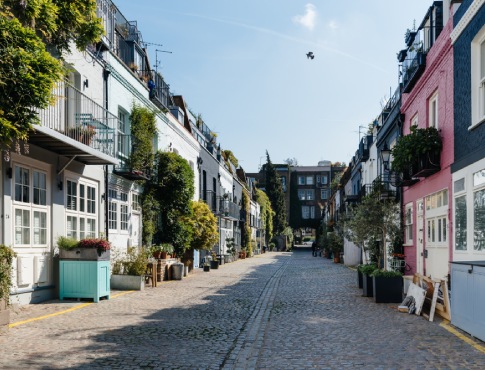
Mews houses are unique and scarce properties, offering a central location, property character and a quiet setting, despite the proximity ...

Buying a new build home comes with multiple benefits. It gives you access to the most energy efficient properties in London, presents an ...

Do you really need a home buyers survey for your central London property purchase? Home buyers surveys may not be legally required, but t...


