Looking to Sell or Let?
Begin your journey with a free property valuation.
Get the facts and figures to make informed decisions.

Property Valuation
"*" indicates required fields

London can be a difficult place to find good buy-to-let investments. High property prices in sought-after areas often mean lower rental yields. Here, we look at which areas give the best return and offer tips to help you choose your investment property.

Buy-to-let landlords have certainly felt the impact of tax and legislation changes over recent years and may be wondering if residential letting in London continues to be a good investment.
Additionally, rental yields in London are lower than in other areas of the UK. The result is that capital postcodes seldom rank in the top 10 buy-to-let regions – but that’s not the whole picture. For example, St Johns Wood, Battersea and Paddington command average rental yields of around 5% and higher.
With rising property prices putting homeownership out of reach for many, demand for rental accommodation is only expected to rise. In the past decade alone, the proportion of private renters rose by 25%. Now, one-third of all London households rent privately.
We look at the best areas for buy-to-let property investment in London to assist your decision to invest in London residential property.
Despite relatively lower yields, property investors are drawn to London’s rental market by high demand and house price trends. In the last five years, the average rents for new tenants in London has increased by 44%.
Purchasing a London buy-to-let property investment can be costly, and house price growth is predicted to slow in the short term. But long-term buy-to-let investments can still pay off. The property market remains attractive to buyers, and the city’s high prices mean that even modest growth can generate a respectable income.
The average rental yield in London is around 4.3% in 2025, but figures vary according to your property’s location and type. For a more accurate estimate, try doing your own calculations based on properties you’re considering. Read our guide to learn how to work out rental yield for property investments.
Want to know more? Find out how to work out rental yield and how to start a property portfolio.
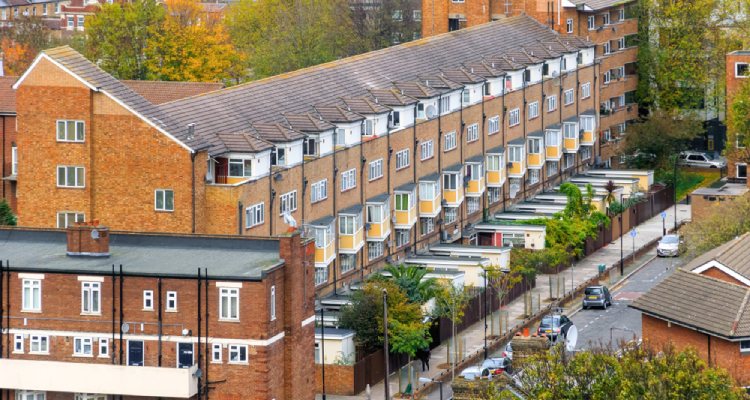
East London offers the highest rental yields, with several postcodes ranking in the top 20. In E3, covering Bow and Mile End, properties command as much as 6.5%. Investors can also find decent returns in North East London.
Average yields across E15, covering Stratford and West Ham, surpass 5.5%. West Ham has undergone significant regeneration following the London Olympics and the construction of the London Stadium.
E6 covering Hackney is not far behind the rental yields in West Ham, thanks to its popularity with young professionals. To achieve a similar return for a lower property price, look to East Ham (E9) where the average property price was just below £430,000 over the last year, and neighbouring Plaistow and Upton Park (E13).
South West London is a perennially popular place to rent. While high selling prices lower the average rental yields, landlords can enjoy a constant stream of suitable tenants, reducing the possibility of their properties lying vacant.
Kensington and Chelsea rental properties attract an average 4% yield yet boast a high occupancy rate. Multiple neighbourhoods hold longstanding appeal to high-net-worth buyers, and the terraced houses that define the local architecture sell for around £3 million.
Across the City of Westminster, buy-to-let investors can expect an average yield of around 4%. House prices in prestigious Belgravia continue to rise as buyers are drawn to the SW1W postcode. You will need a substantial deposit to enter the local property market with average property prices of over £3m, but long-term investors can benefit from consistent price growth.
Battersea is becoming a hotspot for property investors, boosted by the regeneration projects including new developments around Battersea Power Station. There is strong rental demand for properties for professionals, families and students with the appeal of waterside living and access to Battersea Park. Average rental yield in Battersea is 5.6% and average property prices have grown significantly faster than the London average.
In South East London, demand has been bolstered by Elizabeth Line connections. Thamesmead offers a high average rental yield of around 5.8% and the London mayor recently urged the Government to invest in extending the DLR to Thamesmead. The average property price in Thamesmead over the last 12 months was just over £370,000, making property significantly more affordable than many other areas of London.
Those who invest in property in New Cross (SE14) and Deptford (SE8) could see respectable rental yields of around 5.8%, with Walworth (SE17), Peckham (SE15) and Abbey Wood (SE2) averaging in the region of 5.5%.
Want to find out more? Explore the non-resident landlord scheme and how to find corporate tenants.
West London contains some of the most sought-after addresses in London. Properties in these west central areas cost upwards of £2.5 million on average, which generally lowers the rental yield.
Marylebone properties cost an average of just under £2 million, with the area’s prestigious townhouses averaging double the figure. The average cost of a Mayfair apartment now exceeds £3 million. These areas are highly sought after for affluent renters, and they command the highest monthly rents. Living in prime central locations with luxury amenities is a top priority for high-net-worth individuals, ensuring consistent rental demand.
The average rental yield in Paddington is around 5%, with demand for high-end properties holding up. Rent has kept pace with house prices, though property investors will need a sizeable deposit to purchase a buy-to-let in the area. Excellent transport links from Paddington Station and amenities such as Hyde Park draw professionals to rent property in Paddington.
You may achieve a higher rental yield further west in Southall and Hayes, where rental yields average at around 5.5%. These areas could see good house price growth in future due to the impact of the Elizabeth Line.
North London may not rank at the top of the property investment tables, but it still offers plenty of decent investment opportunities. In N17, Tottenham is one of the areas with the highest rental yields, with an average of 6.5%.
Ongoing regeneration projects in Edmonton (N18) have considerably raised the area’s profitability, with average rental yields now surpassing 5.5%.
St Johns Wood has an average rental yield of 5% and there is a high rental demand from families looking for high quality schools and the village-like feel. The area offers the close proximity to central amenities, while benefitting from a more tranquil and family-friendly environment.
To help you decide if a location is suitable for your buy-to-let property investment, use our checklist of what to look out for when choosing your property.
If you’re considering purchasing a buy-to-let property in central London, we’d be happy to discuss the merits of different locations like Battersea and St Johns Wood, and share our many great properties. Contact us today to find out more.
Begin your journey with a free property valuation.
Get the facts and figures to make informed decisions.
"*" indicates required fields
If you want to know more contact us,
and we’ll be happy to help you.
"*" indicates required fields


If you are a landlord with Central London property and want to keep up to date with your latest health and safety responsibilities, this ...

When it comes to tenants, central London is still calling. The demand for rental property of all types is very much present but how buy-t...

Energy Performance Certificates are a legal requirement when selling or renting out a property. The government introduced this to ensure ...


